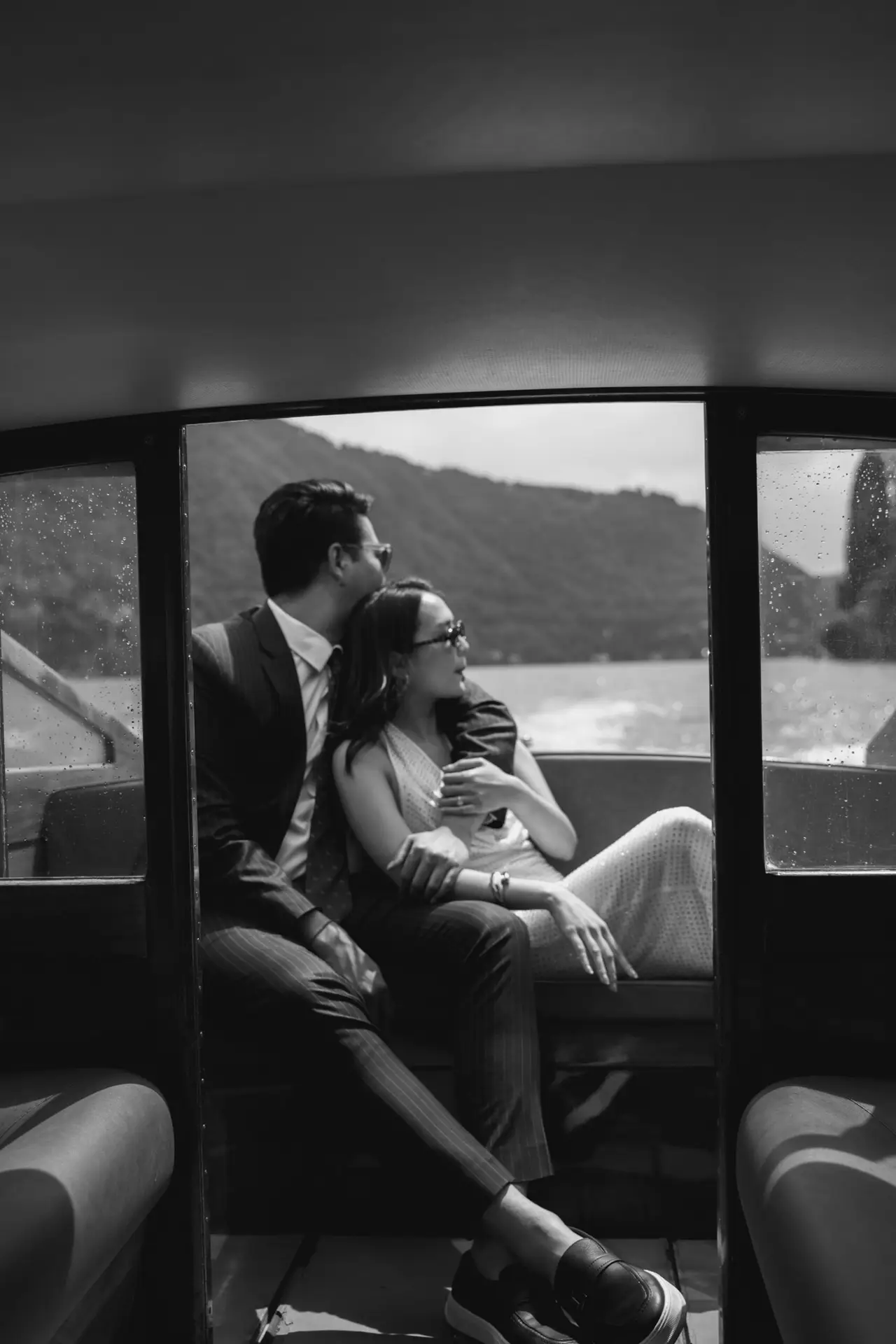
Most of my photographs are in colour, and I love colour. But some pictures grow stronger the moment it is taken away. Black and white removes the most immediate information in a photograph and leaves what lies beneath it: light, shape, texture and expression.
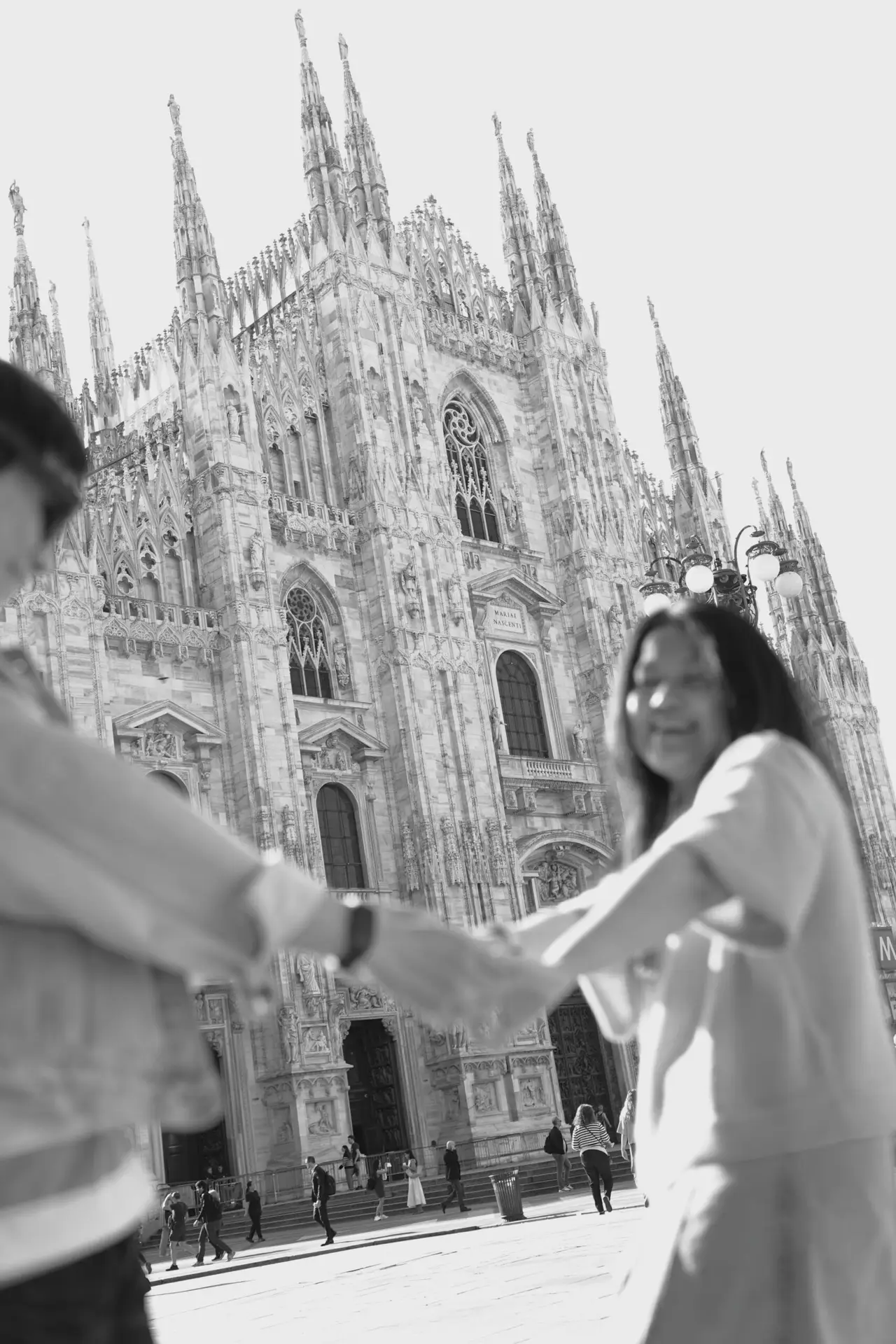
When colour distracts
Colour can pull the eye away from what matters. A red sign behind a couple, a bright jacket at the edge of the frame, the mix of window light and lamplight on a face: each competes for attention. In black and white these become simply tones, and the picture settles.
Monochrome is also forgiving of difficult light. Hard midday sun can look crude in colour, yet graphic and deliberate in black and white.
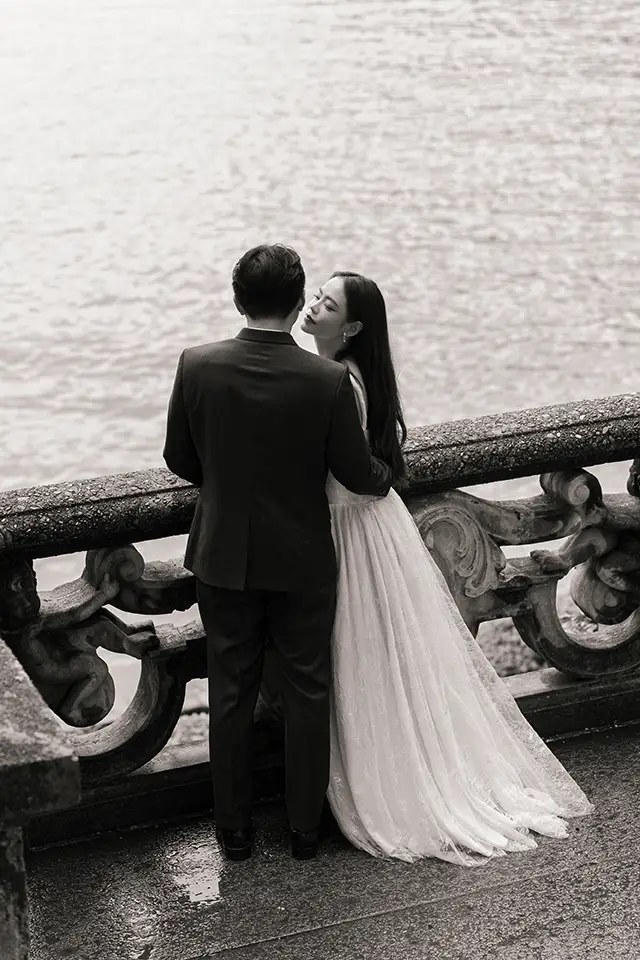
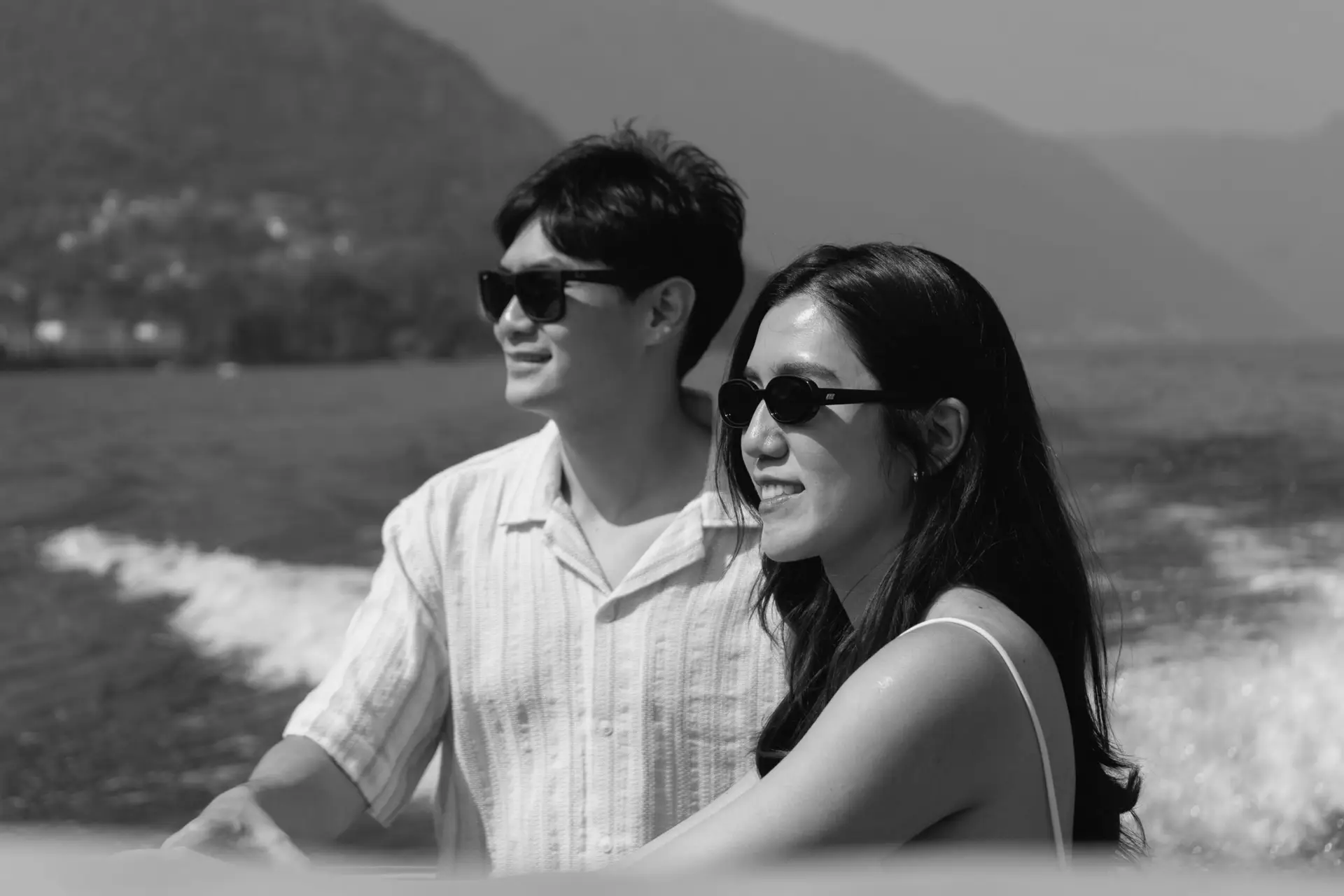
What it asks of the subject
A monochrome portrait has nowhere to hide. Without colour to carry the mood, the picture depends on the person: the angle of the head, the direction of the eyes, the tension or ease in the hands. Expression becomes the subject.
I find people often look more like themselves in black and white, perhaps because the picture belongs less to a particular day or season and more to the person.
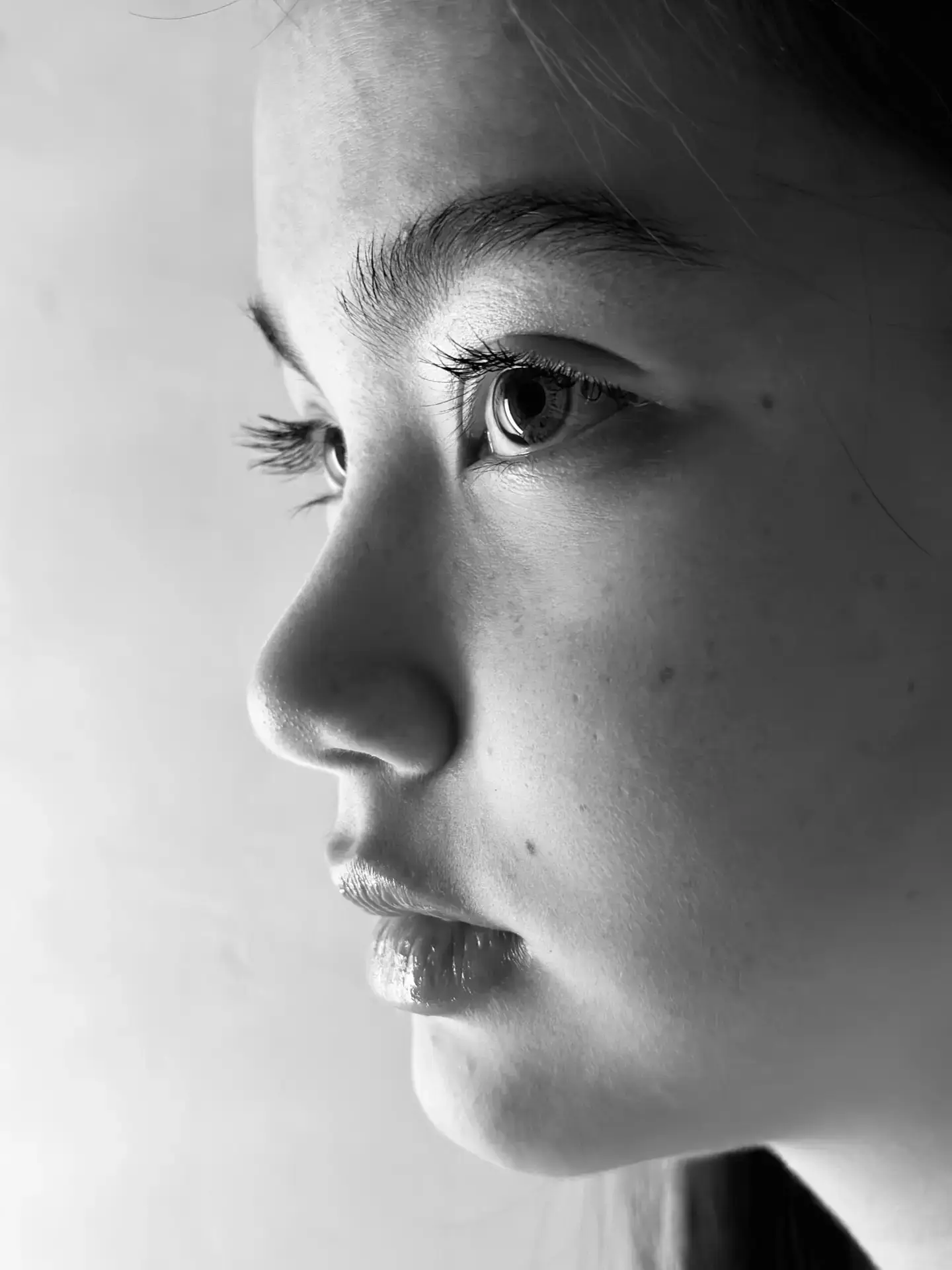
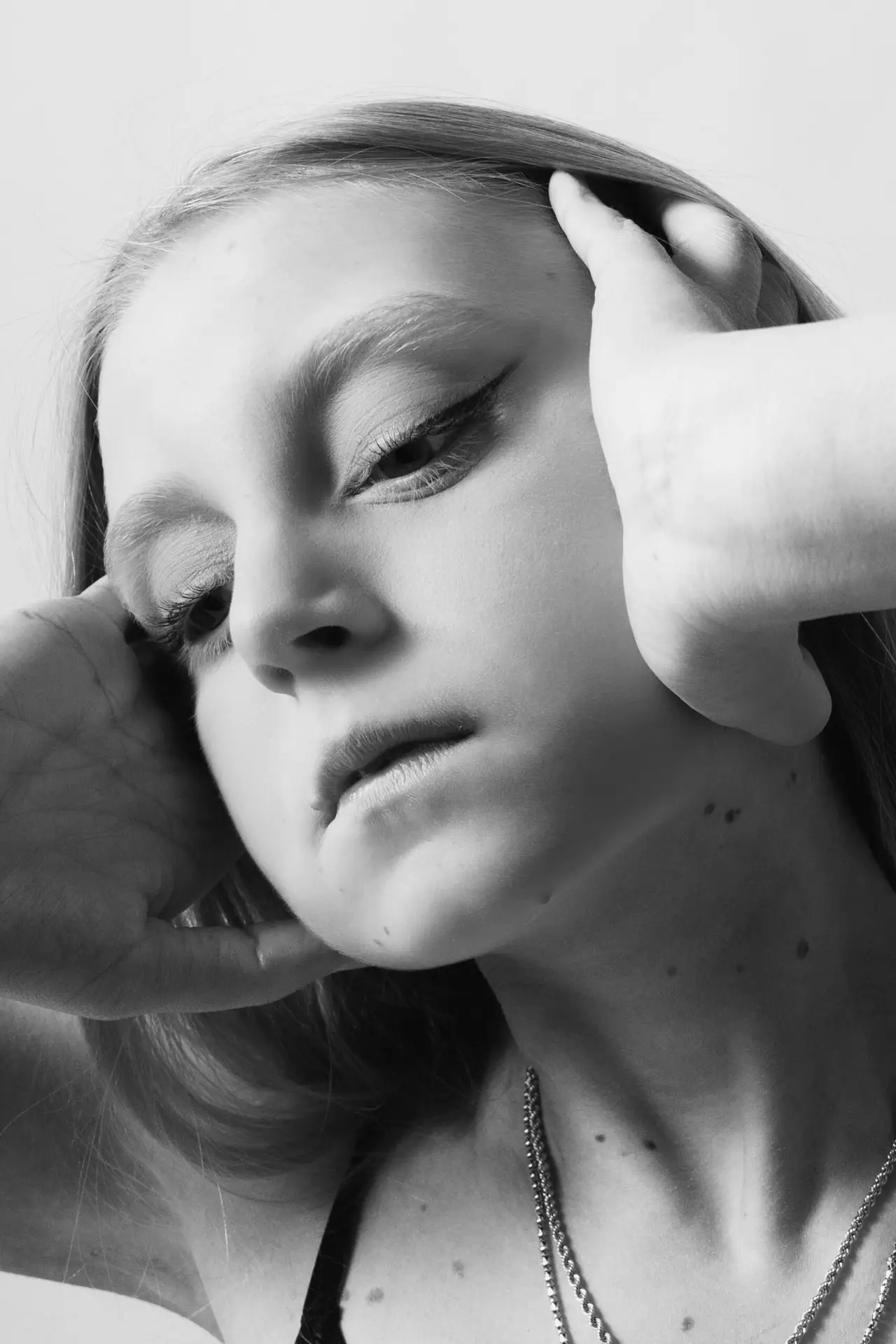
Texture and light
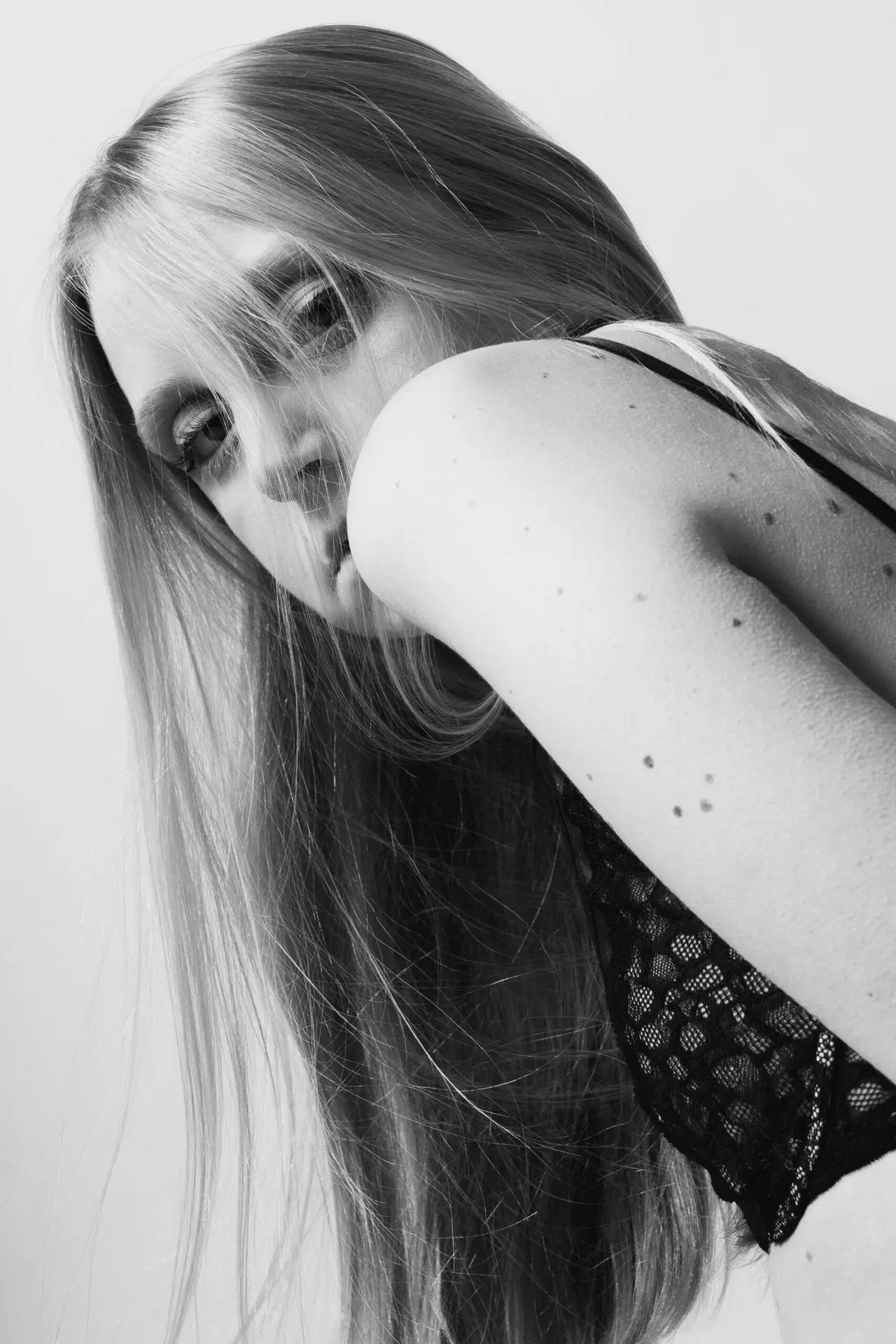
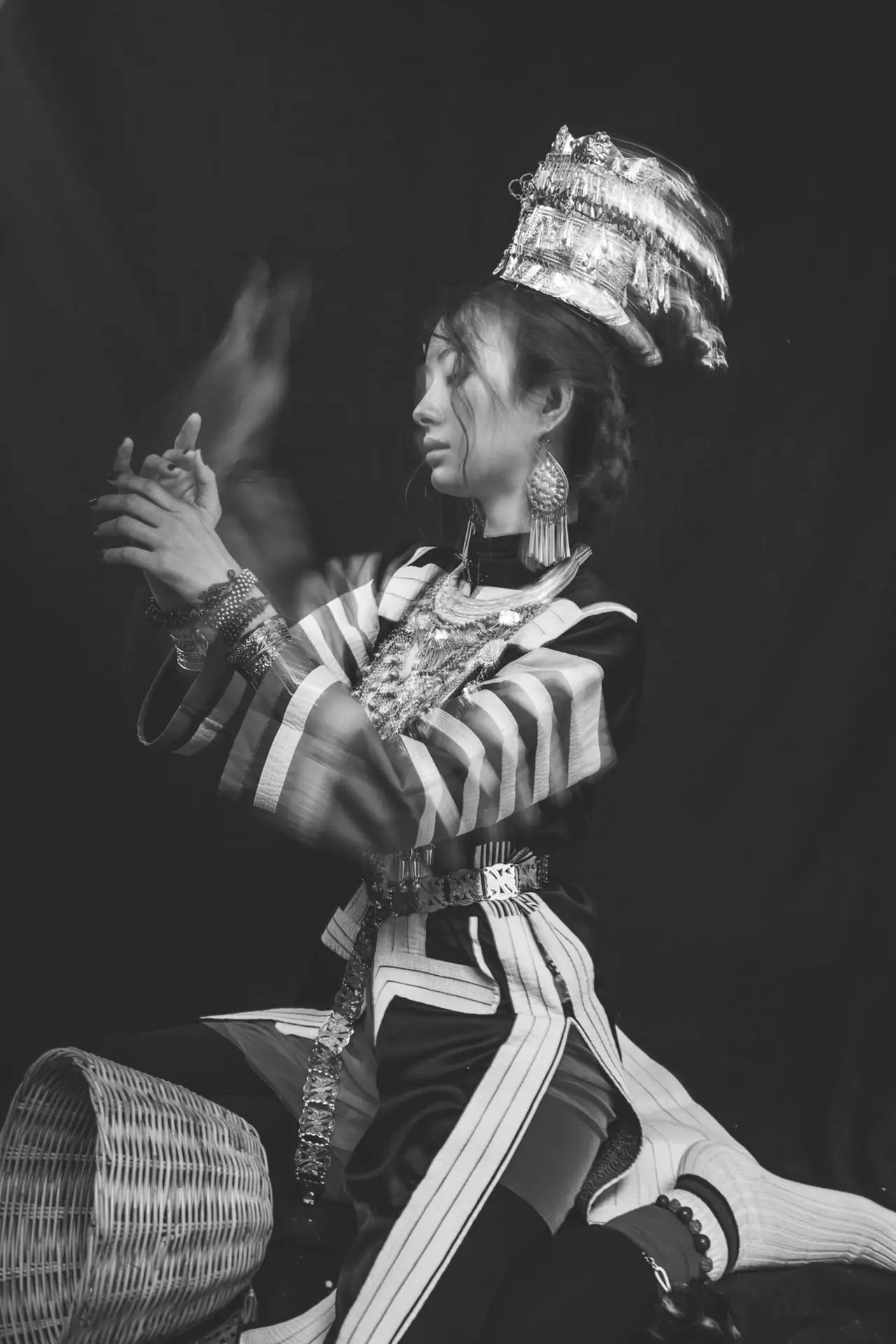
Black and white rewards texture: silver, lace, wool, the grain of stone, the line of a cheekbone. In my graduation project, the Miao headdresses became almost sculptural once the colour was gone, and the faces beneath them grew calmer.
Light matters even more, because tone is all there is. A single window, a strong side light and a soft overcast sky each make a completely different picture.
Choosing
I don’t decide in advance which photographs will be in black and white. I look at each one and ask whether the colour is adding something or only describing. When it is only describing, I take it away.