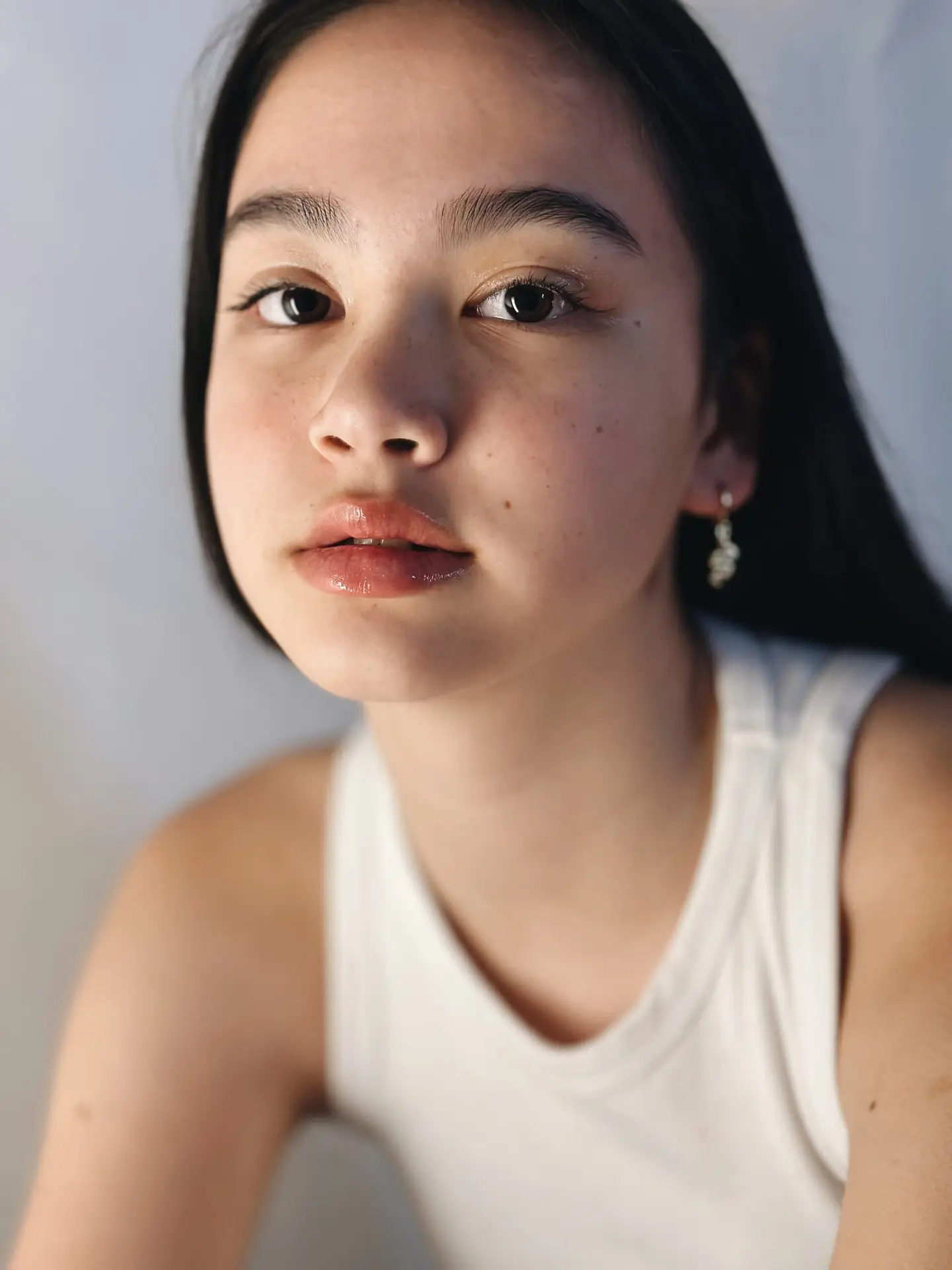
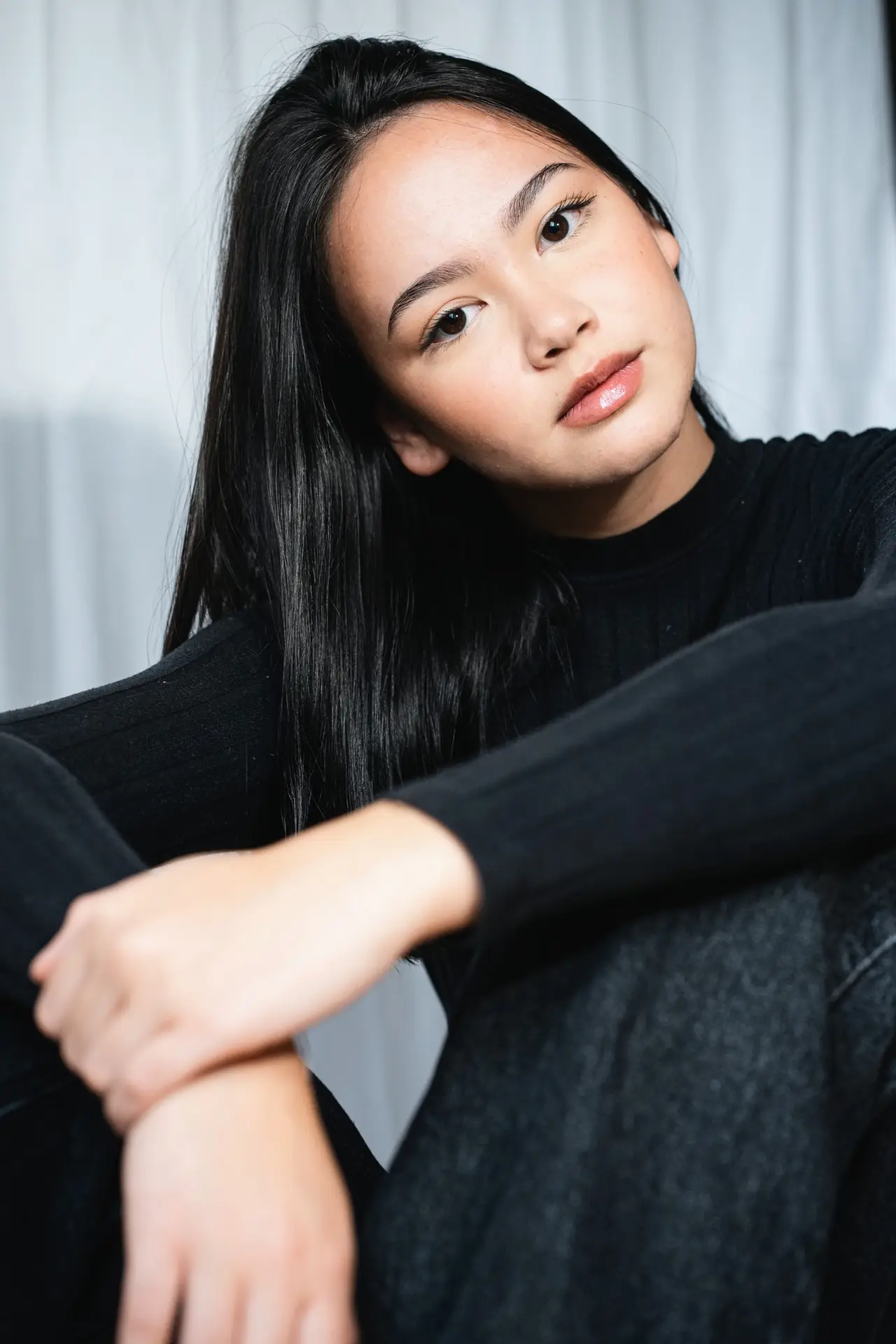
Some of the portraits I like best were made with almost nothing: one light, one chair and a plain wall. Studio portraiture can be technically elaborate, but a simple setup has a quality that complicated lighting often loses. It leaves room for the person.
One light
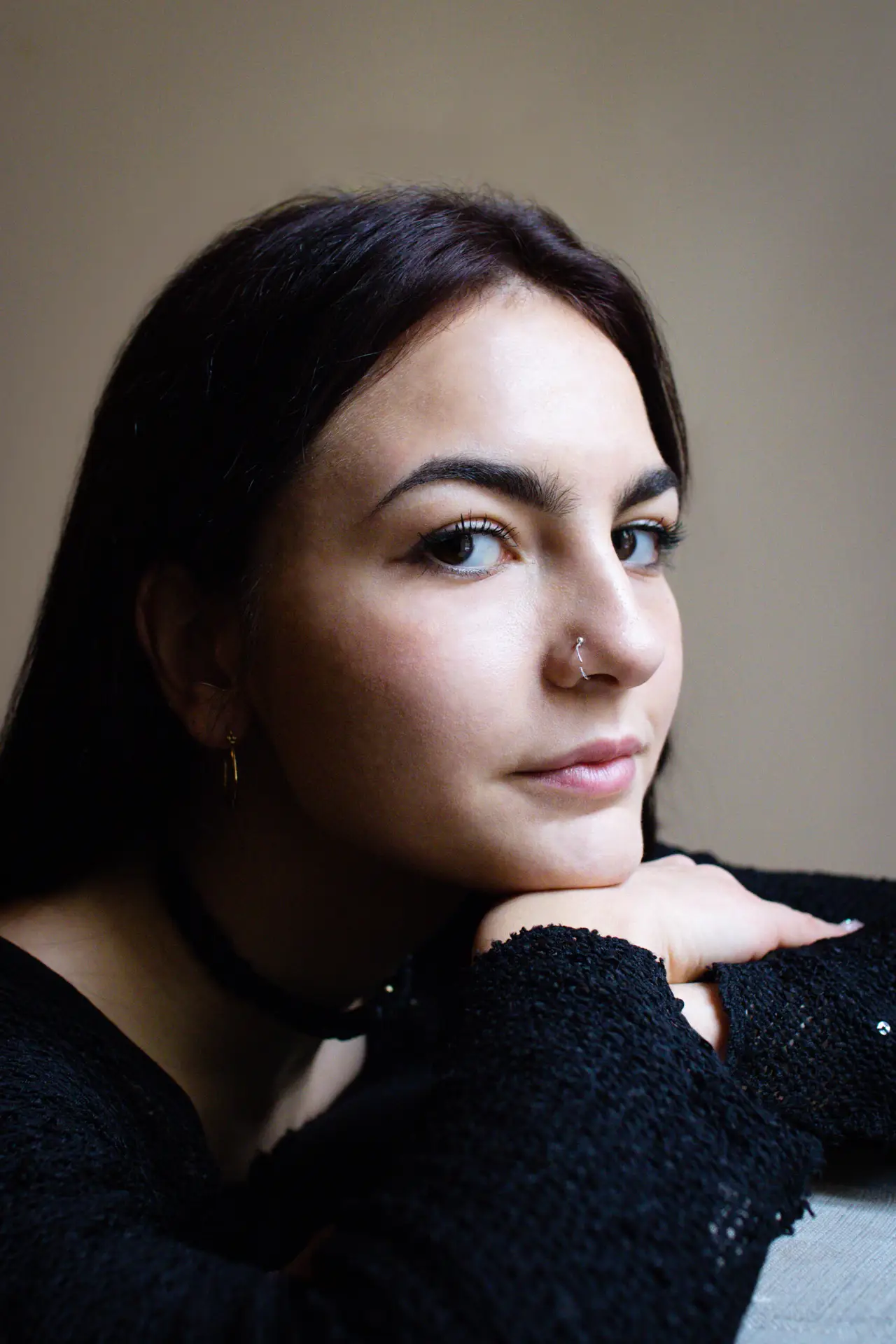
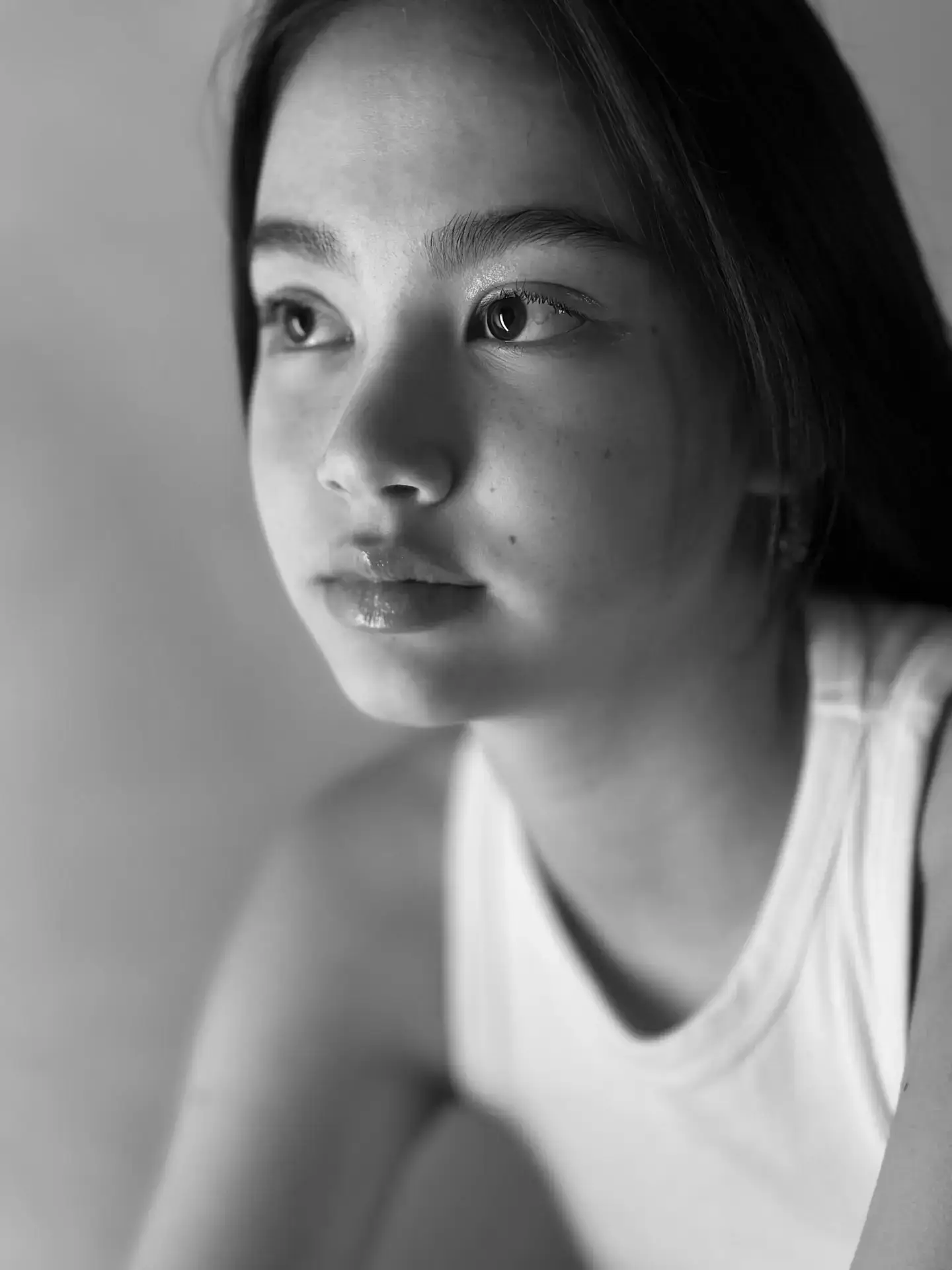
With a single light, every decision is visible. Where it sits shapes the whole face. A little to the side and above, and it models the cheekbones and leaves a soft shadow on one side; further round, and half the face falls into darkness.
A large, soft source close to the subject gives gentle transitions, like the light from a big north-facing window. Carefully placed, one light reads as natural and calm.
One chair
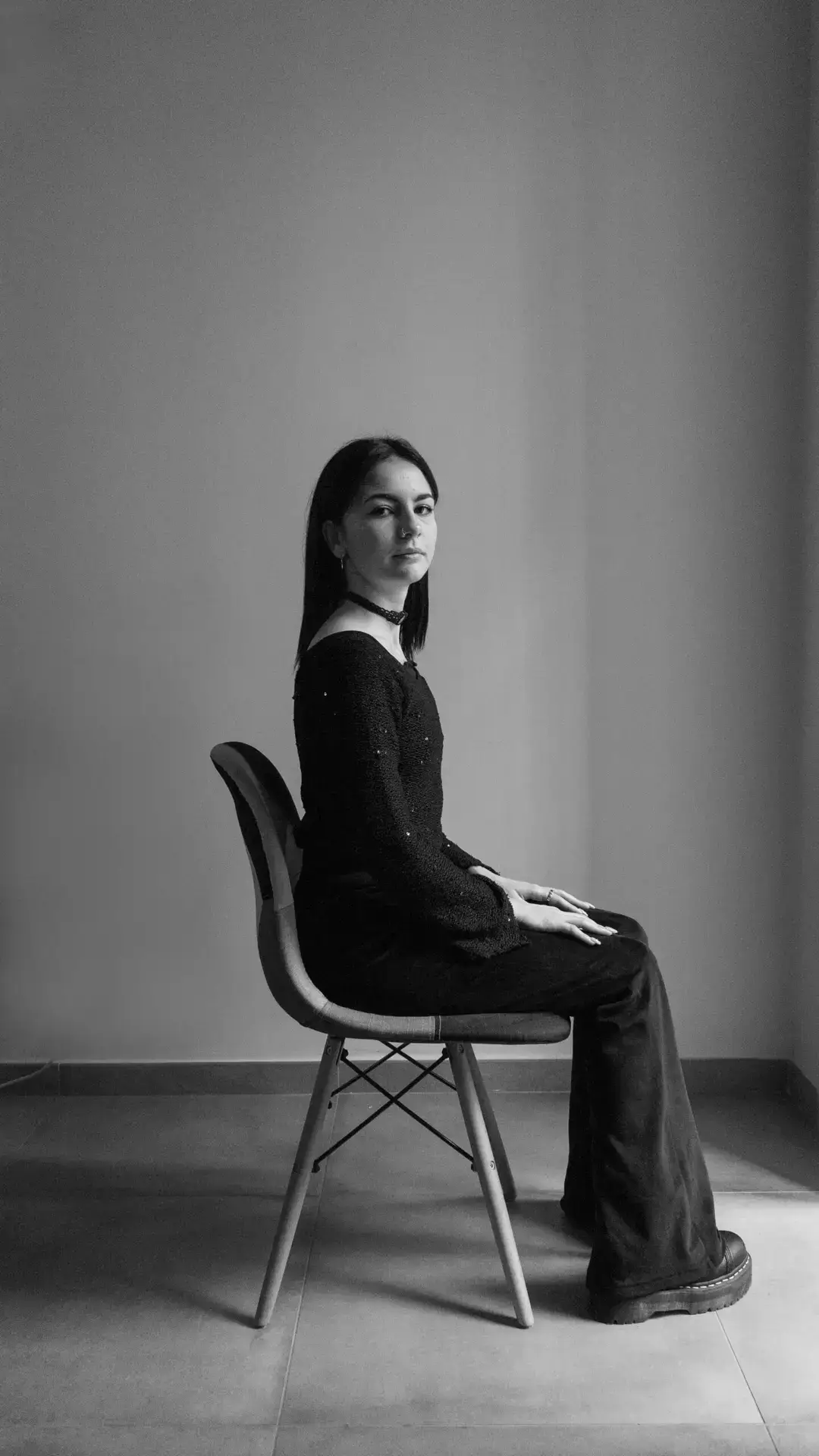
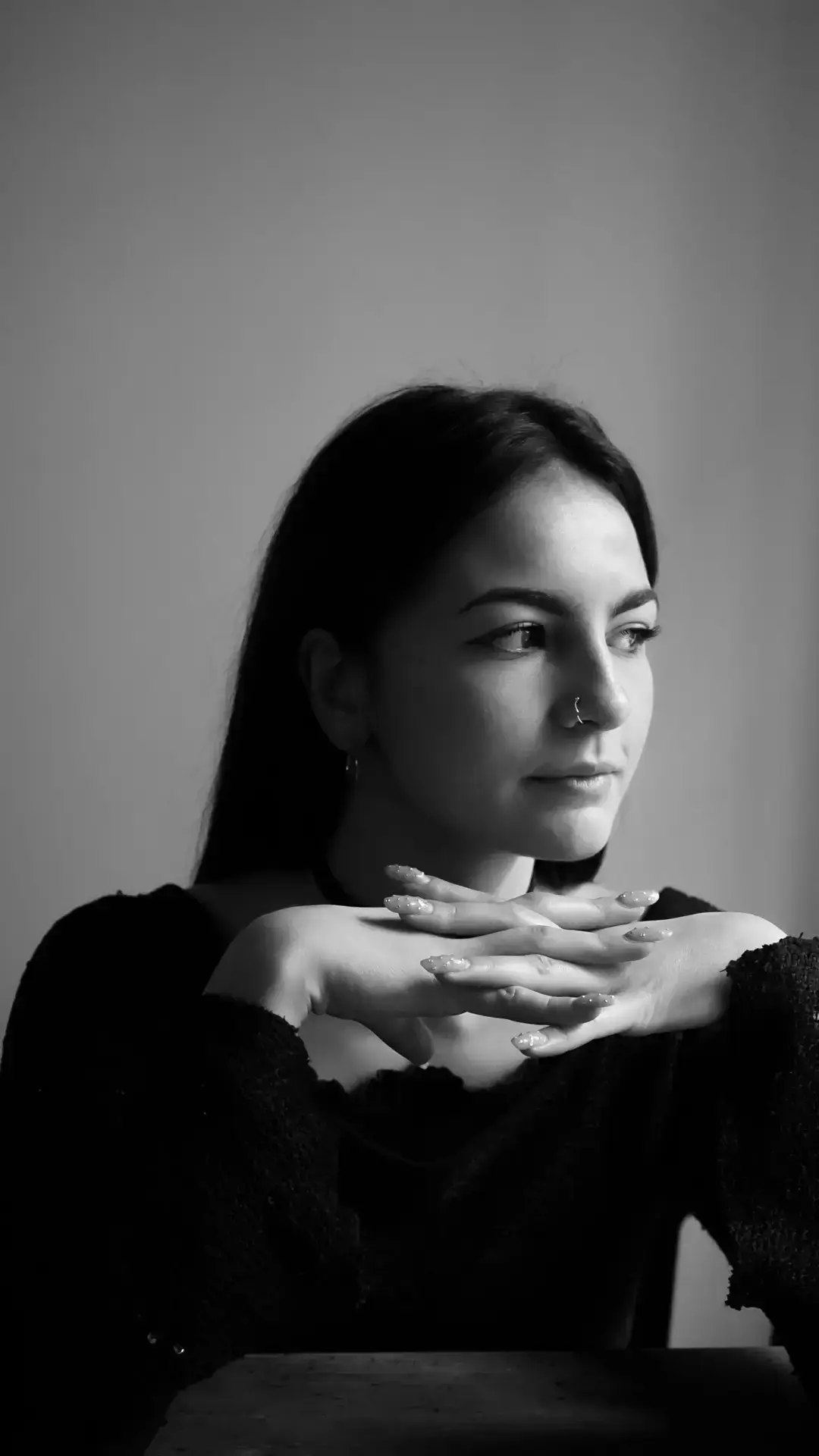
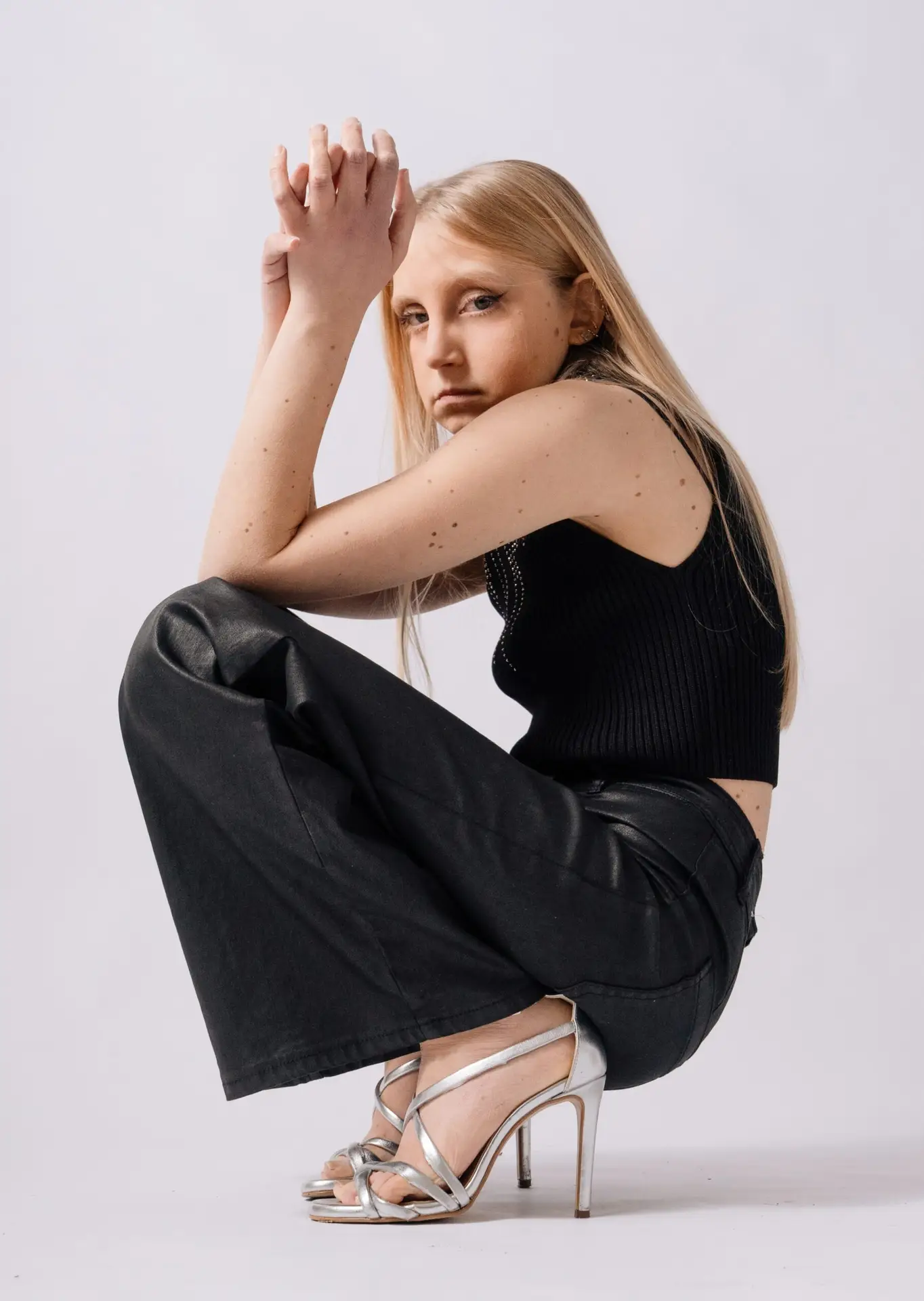
A chair gives a person somewhere to be. Standing in an empty studio, most of us don’t know what to do with our hands or our weight. Sitting, leaning forward, turning sideways or resting an arm along the back, people find positions that feel natural, and the body falls into shapes that are already interesting.
A plain chair is better than a decorative one. It supports the pose without becoming the subject.
A plain background
A plain wall or paper backdrop removes context entirely. There is no place, no season and no passing fashion, only the person and the light. That is why simple studio portraits age so well: they look as right years later as they do on the day.

Less to manage
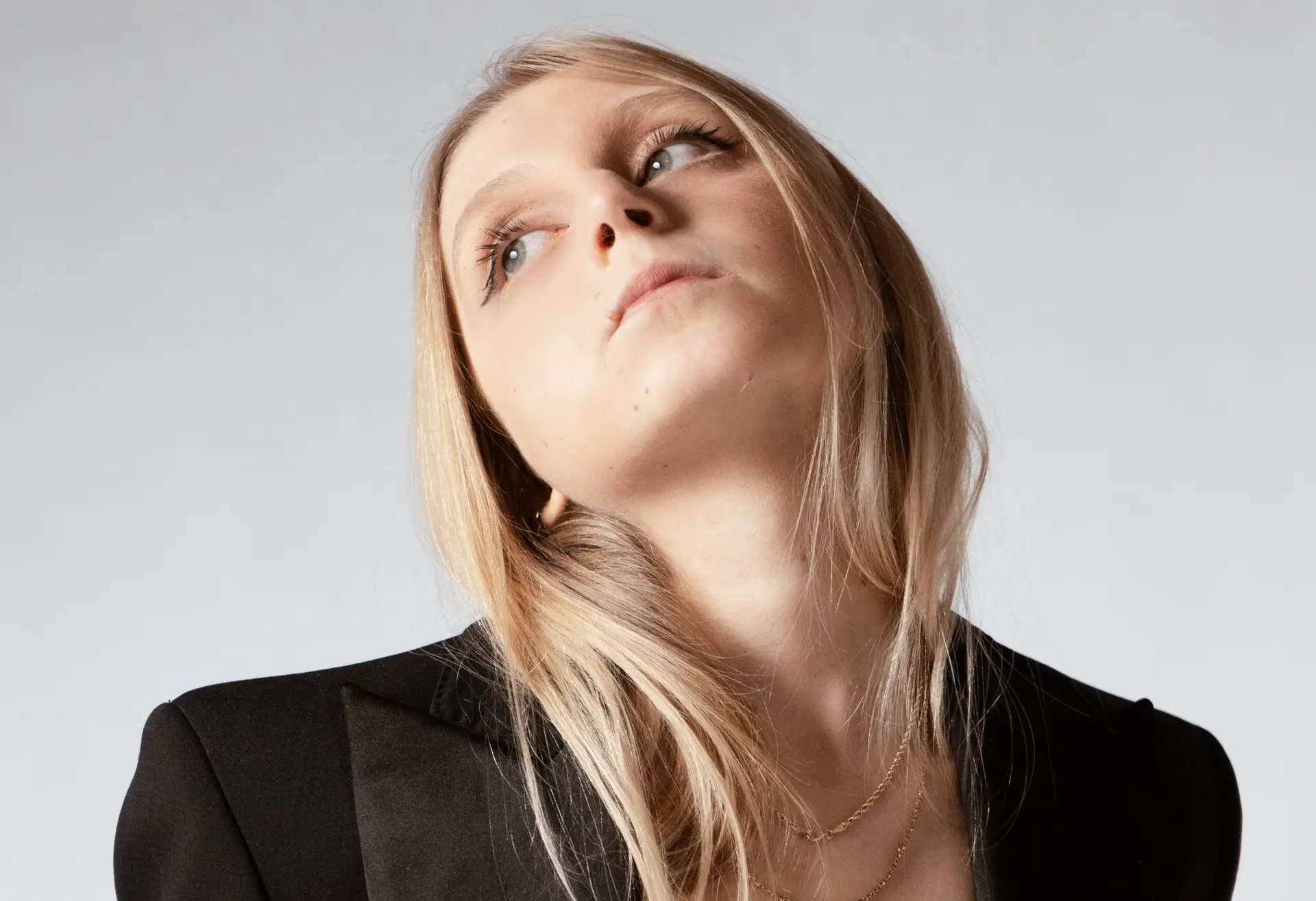
Fewer lights and props also mean less time adjusting equipment and more time paying attention. In a simple setup I can watch for the moment someone forgets the camera, when the expression softens or the posture settles, and be ready for it.
The technique becomes invisible, which is how it should be.